Kuća na brdu i praznina između poseta
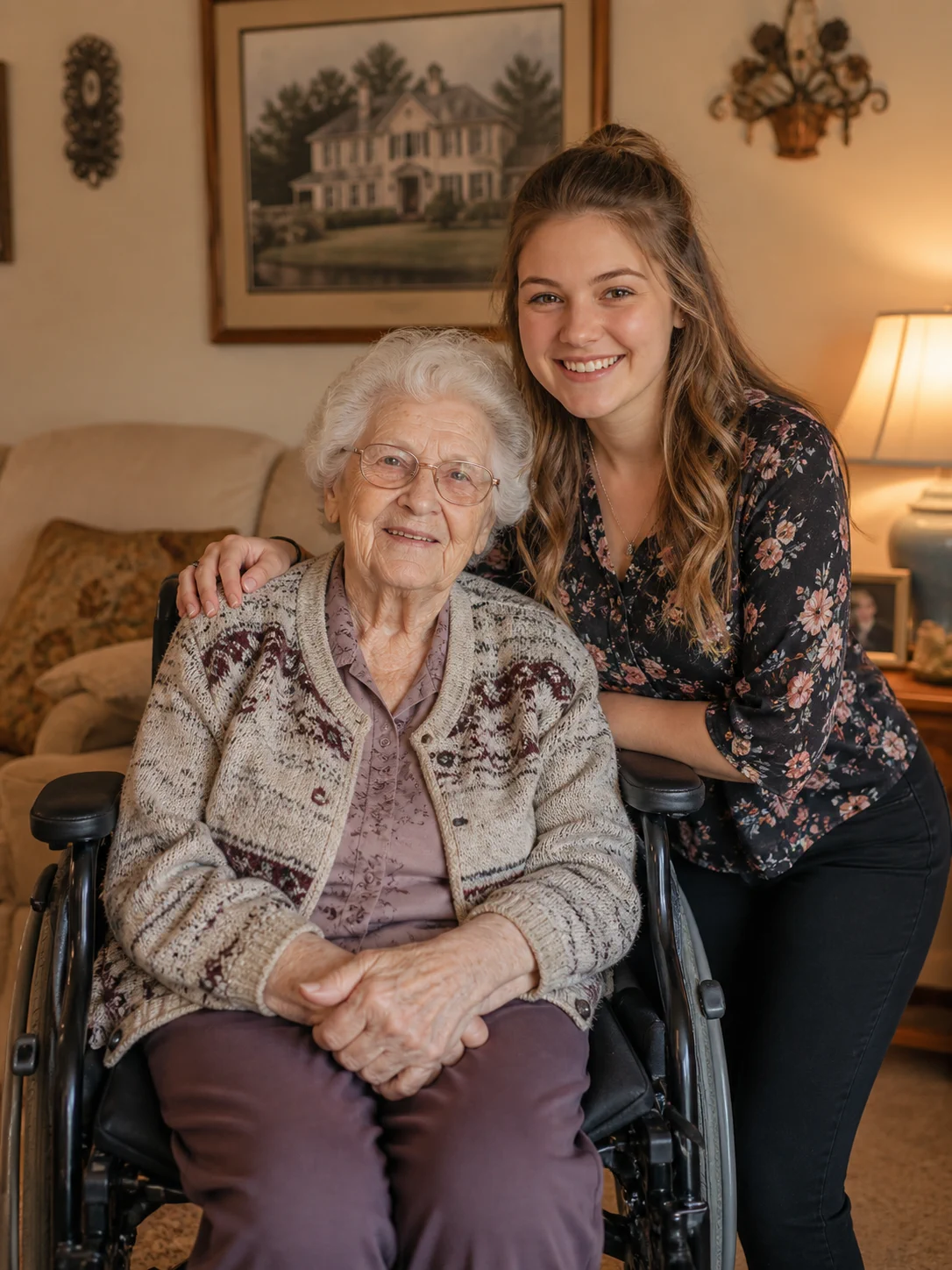
Sedam godina Grace je bila uz gospođu Patterson: krhku, bogatu, a usamljenu ženu čiju je kuću na brdu okruživala raskoš koju više nije mogla da doživljava. Vrtovi su blistali, osoblje je radilo svoje, ali u kući je odzvanjala tišina. Njene oči bi ipak zaiskrile kad bi zajedno igrale Scrabble ili pekle pitu od jabuka. Rodbina je dolazila retko, doterana i hladna, uzela bi novac i odlazila. Ona bi ostajala uz prozor, prstima kucajući po staklu, čekajući nešto nalik ljubavi što se nikad nije vratilo.
Dve samoće koje su se prepoznale
Grace je bila sama na svetu. Iznajmila je sobicu blizu, da bude na dohvat ruke. Vreme su merile instant fotografijama: sitnim, lepim trenucima. U tom miru počeli su da nazivaju jedna drugu – porodicom.
„Grejs, ti si jedina osoba koja je zaista brinula o meni. Hvala ti.“
Te reči su ostale kao tiha zakletva.
Jutro kada je sve stalo
Grace ju je zatekla mirnu u krevetu, s blagim osmehom i fotografijom preminulog muža u ruci. Pozvala je decu na brojeve koje joj je ranije dala. Na sahrani – crnina, uvežbane grimase, nestrpljenje u očima. Niko nije pitao kako je.
Kucanje u sumrak
Te večeri, policija joj je pokucala na vrata. „Jeste li vi Grace? Morate s nama.“ U kući su već bili rođaci, advokat i notar, obezbeđenje na ulazu. Victoria je planula: „Ona je manipulisala mojom majkom!“ Mark je stezao pesnice.
Testament koji je preokrenuo sve
Advokat je počeo da čita. Prvo – oprost deci „koja su me davno napustila“. Zatim – nada unucima da će jednom razumeti ljubav i odanost. A onda rečenica koja je preseklа vazduh:
„Grejsu, mom negovatelju, saputniku i mojoj porodici — ostavljam sve: kuću, imanje i svu imovinu.“
Vriska, optužbe, pokušaj nasrtaja koji je obezbeđenje odmah preseklo. Advokat je na sto spustio kutiju: pisma, fotografije, zapisi o njihovoj vezi i brizi. Još jedna njena poslednja molba: zaštitite Grace kad rodbina sazna.
Ključevi i tišina
„Volela vas je. Htela je da imate dom“, rekao je advokat, pružajući ključeve. Kuća je odjednom bila i prazna i puna nje. Nije joj ostavila samo imanje. Ostavila joj je pripadanje. A rodbini – samo gorčinu.
Originalni naslov:
I devoted years to caring for an elderly woman next door—then after she died, the police showed up at my door.
Originalni tekst:
When she passed, relatives who had long been absent suddenly reappeared, clearly expecting to gain something. But she had arranged a final surprise that would completely upend everything.
For seven meaningful years, I looked after Mrs. Patterson. She was frail, aging, and deeply alone, with a family that had all but disappeared from her life. Fortunately, she had enough financial security to employ me as her caregiver—a position I never imagined would later cause such chaos.
Her home was magnificent, set atop a hill and surrounded by vast gardens she could no longer maintain herself. Staff handled the upkeep, but the house still carried a quiet emptiness. Though age had dimmed her once-bright eyes, they would still sparkle whenever we played games like Scrabble or baked her well-loved apple pies.
Her relatives only visited occasionally, just enough to keep up appearances. They would arrive in neat outfits, wearing polite but insincere smiles, take money from her, and leave shortly after.
After they were gone, she would remain by the window, her fingers lightly tapping the glass as she watched them leave, hoping they might return her affection. They never did.
Over time, my role shifted beyond that of a caregiver. We built a genuine connection—sharing laughter, memories, and quiet companionship. She loved taking instant photos of our moments together, capturing small pieces of joy. Yet despite her wealth, she lived in emotional isolation, neglected by those who should have cared most.
As for me, I had no one else. My parents had passed away years earlier, and I was an only child. I rented a modest room nearby so I could stay close to her. My life was simple, but she gave it purpose.
In many ways, she became my sense of home. One rainy afternoon, as we sat watching raindrops slide down the window, she sighed softly.
“Grace, you’re the only person who has ever truly cared for me. I’m so grateful.”
Her words caught me off guard. “You don’t need to thank me. Taking care of you has been a joy.”
We rarely discussed her family, but I had seen enough—their impatience, their hollow gestures, their eyes lingering on her valuables. I understood why they stayed away. I gently squeezed her hand, and she smiled.
“I’m glad you’re here. You’re the only real family I have.”
My voice trembled as I replied, “You’re my family too.”
We never brought it up again, but from that moment, my care for her became something deeper—something rooted in love. Looking back, I think that was her quiet farewell. Not long after, she passed away.
I found her one morning, lying peacefully in bed with a faint smile. Her hand rested on a photograph of her late husband—the man she had loved deeply. My legs gave out, and I collapsed, overwhelmed with grief.
I contacted her children using the numbers she had shown me before. They responded quickly but dismissed me, saying they would handle everything.
At the funeral, her relatives gathered in black attire, offering polite condolences and exchanging rehearsed expressions of grief. Some even pretended to cry, but their eyes revealed something else—anticipation.
I could sense it clearly: impatience and greed for whatever she had left behind. They barely acknowledged me, except for a few suspicious glances.
After the ceremony, I remained alone in the church, staring at the empty space where her casket had been. I felt as though I had lost a part of myself. She had been far more than an employer—she had been my confidante, my companion, my family.
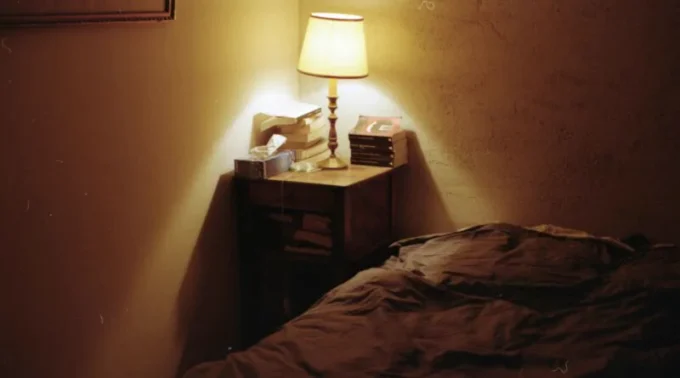
That evening, I returned to my small room, exhausted and heartbroken. Her presence lingered in everything—her scent, her laughter, her warmth. Just as I began to sink into grief, there was a sudden knock at the door.
That moment changed everything.
When I opened it, two police officers stood there, their expressions serious. One of them spoke.
“Are you Grace?”
I nodded nervously. “Yes… what’s going on?”
“We need you to come with us.”
Fear rushed through me. Had something gone wrong? Had I made a mistake in caring for her? My mind raced through every detail.
I followed them to her house. It felt different—security guards now stood at the entrance, adding to the unease.
Inside, her entire family had gathered, along with a lawyer and a notary. The atmosphere was tense. As soon as I stepped in, her daughter, Victoria, turned toward me angrily.
“It’s her! She manipulated my mother! This was all planned!”
I froze. “I… I don’t understand.”
The lawyer intervened, speaking calmly. “We are here to read Mrs. Patterson’s will. Her family requested this immediately. Grace, you are mentioned in the document, which is why you are here.”
The room fell quiet as he began reading.
“To my children, I leave my forgiveness, as they abandoned me long ago.”
Victoria gasped, her face turning pale. Her brother clenched his fists.
“To my grandchildren, I leave the hope that they will one day understand the meaning of love and loyalty.”
Confusion spread among them.
“And to Grace, my caregiver, my companion, and my family—I leave everything. The house, the land, and all my assets.”
The room erupted.
Victoria shouted, “This is a lie! She tricked her!”
Mark lunged toward me, but the security guards intervened. “You manipulated her!” he yelled.
I stood there, stunned. “I didn’t know… I never asked for any of this…”
The lawyer raised his hand to quiet the chaos. “Mrs. Patterson anticipated this reaction. She left evidence—letters, photographs, and records documenting her relationship with Grace. This was her deliberate decision.”
He handed me a box filled with memories—photos of us baking, laughing, sharing moments. Letters written in her careful handwriting described our bond and the affection she felt. My hands trembled as I held them, tears blurring my vision.
Now I understood why she had insisted on taking so many photos. She had prepared for this moment.
The lawyer read one final instruction:
“Ensure my caregiver, Grace, is protected when my family learns of my decision. I do not trust them to react calmly.”
Everything suddenly made sense.
Victoria sank onto the couch, pale and shaken. “She left us nothing?”
The lawyer nodded. “She stated clearly that you abandoned her. This was her final wish.”
With nothing left to argue, security escorted them out as they shouted accusations and threats. I watched them go, consumed by their own bitterness.
When the house grew quiet, the lawyer approached me.
“She loved you. She wanted you to have a home—a family.”
Tears streamed down my face. “I loved her too.”
He placed a reassuring hand on my shoulder. “Then honor her by living the life she wanted for you.”
After signing the necessary documents, I was handed the keys. Soon, everyone left, and I stood alone.
The house felt overwhelming—both empty and full of her presence at the same time. It had always felt like home when she was there. Now, it truly was mine.
She had given me more than property. She had given me belonging.
And her relatives? They were left with nothing but regret.