Dve nedelje bele tišine
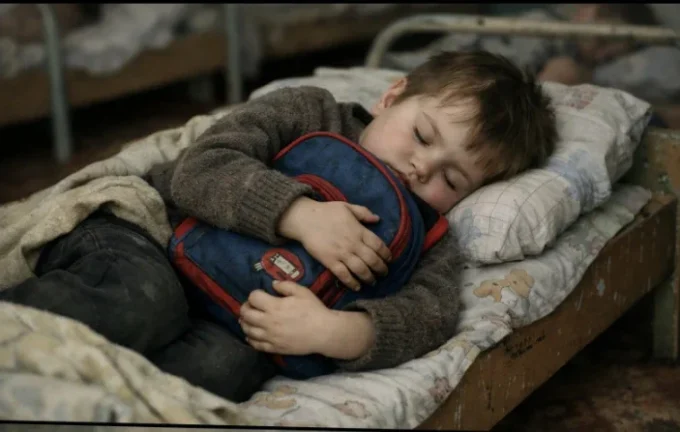
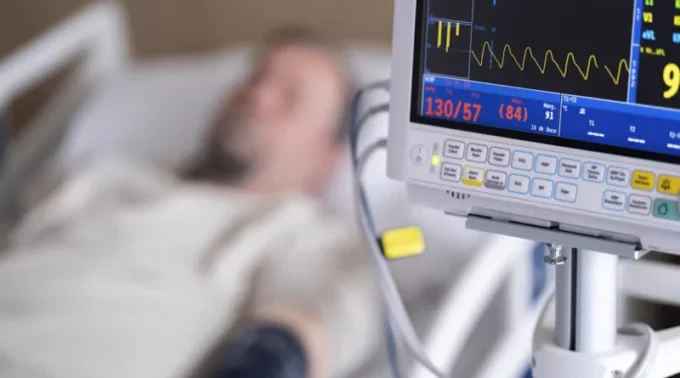
Četrnaest dana Mark je ležao nepomičan posle užasne saobraćajne nesreće. Zvuk respiratora zamenio je svaki razgovor. Njegova supruga Annie sedela je uz krevet, držala ga za ruku i šaputala da se vrati. Njihov osmogodišnji sin Leo ćutao je u uglu, stiskao izbledeli plavi ranac. Markova majka, Diane, smenjivala je nadu i odustajanje.
Papiri na stolu
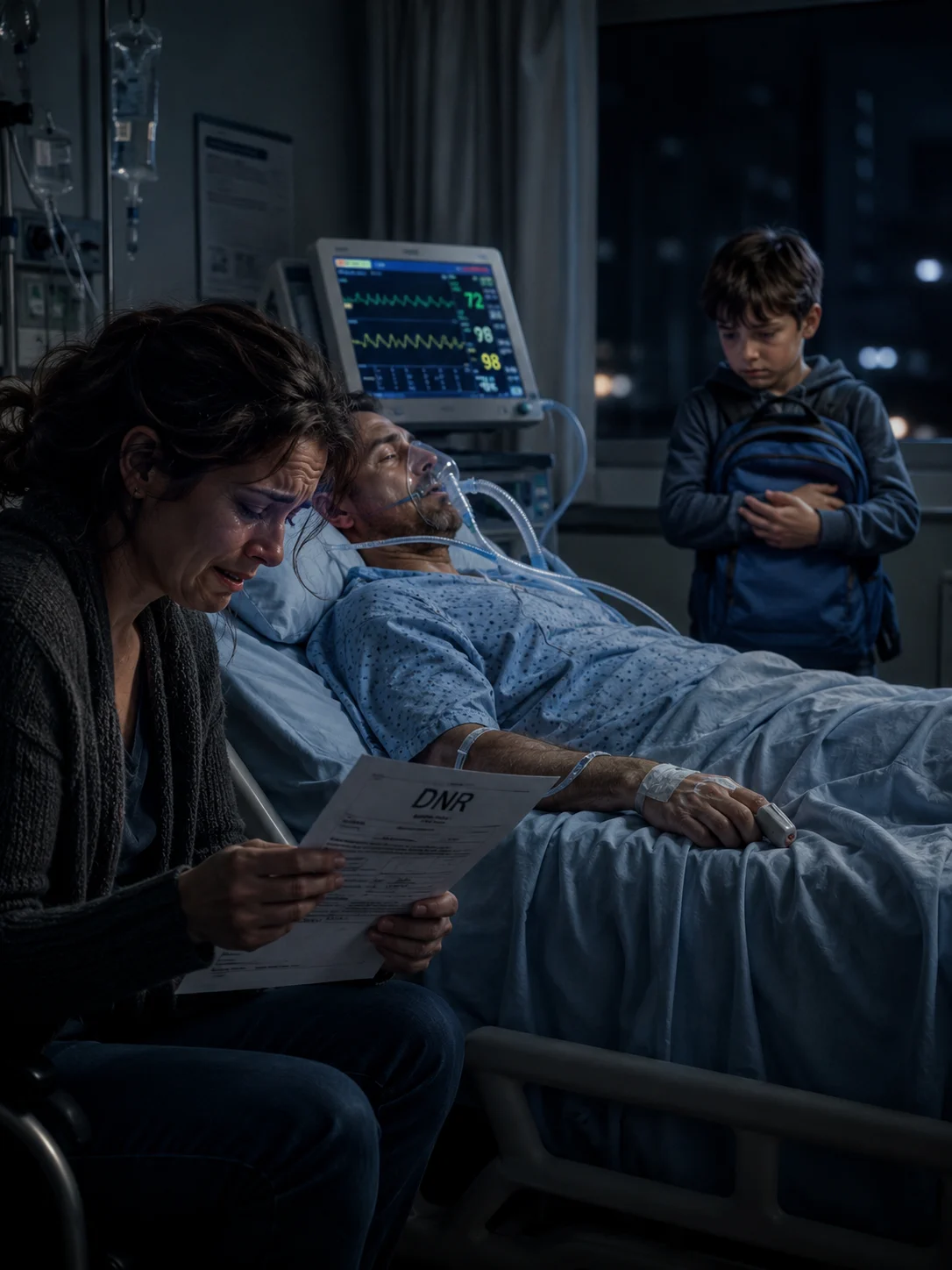
Neurolog je oprezno izgovorio najgore: otok se ne povlači, nema značajne moždane aktivnosti. Na sto stižu nalozi za neoživljavanje (DNR). “Moraš misliti na Lea,” šapnula je Diane. Annie ruke drhte. Potpis je nadomak papira.
Tajna u rancu
Te noći Leo priđe krevetu: “Tata, još nisam rekao mami za tajnu.” Noćni tehničar Caleb, jedini koji s dečakom razgovara normalno, primeti da se Markov puls menja kad Leo govori. Ujutru, baš kad su svi stali oko kreveta da se oproste, Annie klekne kraj sina. Doktor poseže za aparatima.
Pritisnuo je Play
“Ne!” vikne Leo, otvara ranac i vadi crni diktafon. “Tata i ja smo ga napravili. Jedan čovek je rekao da može da ga probudi.” Pogledi seku prostoriju. Caleb stoji na vratima, spreman da ode sa smene. “Neka pokuša,” kaže tiho. Leo prisloni uređaj uz Markovo uvo i pusti snimak. Najpre šum, pa glas koji svima preseče kolena: “Hej, druže… snima li?” Potom: “Ćao, Annie… ako Leo nije sve upropastio, srećna godišnjica.” Smeh, obećanja o jezeru i odvratnoj piti koju ona “voli”, pecanje bez telefona, samo njih trojica. I šifra koja ih je držala godinama.
“Tri stiska znači: tu sam. Volim te. Biće dobro.”
Tri stiska
Leo se nagne ka ocu: “Tri stiska znači da si tu, tata.” Monitori zatrepere. Markovi prsti — jedva vidljivo — mrdnu. Slab pritisak u Annienoj šaci. Doktor preseče tišinu: “Zaustavite povlačenje. Vraćamo neurologiju. Puna evaluacija.” Diane plače: “Rekli ste da nema aktivnosti.” “Nismo imali smislen odgovor. Sada ga imamo,” uzvrati lekar.
Odluka koja menja sve
Annie kida potpisani DNR. “Ni reči o isključenju dok ne proverimo sve — s Leovim glasom i ovim snimkom.” Leo stavlja svoju malu ruku u očevu. Markov palac jednom, jedva, pritisne nazad. Dovoljno da ih podigne sa ivice i vrati im ono što su skoro sahranili: malu, tvrdoglavu nadu.
Originalni naslov:
Doctors Urged Me to End My Husband’s Life Support — Then Our 8-Year-Old Son Did Something That Stunned Everyone in the Hospital Room
Originalni tekst:
After two agonizing weeks of watching my husband lie unconscious, the doctors finally told me there was nothing more they could do. They placed the DNR papers in front of me, and with trembling hands, I prepared to sign away the man I loved. That was when my eight-year-old son quietly reached into his backpack and pulled out a recorder I had never seen before. “Mom… a man told me this could wake Dad up,” he whispered. The second he pressed play, the monitors reacted. For fourteen endless days, the rhythm of my life had become the mechanical breathing of Mark’s ventilator. A devastating car crash had left my husband trapped in a coma, motionless beneath white hospital sheets while every passing day chipped away at the possibility of recovery. I would sit beside him for hours, gripping his hand and begging softly, “Please come back to me. Just open your eyes.” But he never responded. Our son, Leo, spent most of those days curled in the corner of the room, hugging his faded blue backpack tightly against his chest as though someone might try to take it from him. At the time, I had no idea that whatever he was hiding inside that bag would eventually change everything. Mark’s mother, Diane, filled every silence with nervous words. One moment she spoke about miracles, the next she gently hinted that maybe it was time to let go. Then the neurologist asked me to step outside with him. Inside a small room with no windows, he finally delivered the words I had feared since the accident. “I’m sorry,” he said carefully. “The swelling hasn’t improved, and we’re not detecting significant brain activity anymore.” He hesitated before adding, “You need to start considering letting him go.” My throat tightened. “But there’s still some chance… isn’t there?” “At this stage,” he replied softly, “life support may only be delaying the unavoidable.” I could barely nod. “I need time to think.” Later, when I repeated the conversation to Diane, she squeezed my hand gently. “You have to think about Leo,” she murmured. “Mark would never want his son to remember him like this.” Her words hurt more deeply than the doctor’s. I still couldn’t bring myself to sign anything, though I allowed them to begin discussing arrangements and timelines. That night, while I sat quietly beside Mark’s bed, Leo climbed down from his chair and walked toward his father. “Daddy,” he whispered, “don’t worry. I still haven’t told Mommy the secret.” A cold wave rushed through me. Leo had barely spoken since the accident. “Leo?” I asked carefully. “What secret?” He immediately stiffened, clutching the backpack tighter. “Nothing.” “Sweetheart, tell me.” “It’s a secret,” he muttered, backing away. “I’m not allowed to say.” I should have pressed harder. I know that now. But exhaustion and grief had hollowed me out so completely that I no longer had the strength to chase answers. At that moment, Caleb — the night nurse who had cared for Mark most evenings — paused near the doorway with a chart in his hands. He had always been gentle and calm, especially with Leo, unlike some staff members who treated my son like he barely existed. “Do you need anything before I change his fluids?” he asked quietly. I shook my head. “No. I just need a minute.” He nodded and moved toward the machines. The following morning, the doctors handed me the DNR paperwork. My hands shook so violently I could barely hold the pen. “He likely won’t survive the night,” the doctor explained gently. Somehow, I signed. Not long afterward, the family gathered around Mark’s bed to say goodbye. The doctor stepped forward quietly. “Whenever you’re ready, we’ll begin.” I knelt beside Leo. “Baby,” I whispered, “it’s time to say goodbye to Daddy.” His lip trembled, but no tears came. “Be brave,” Diane told him softly. The room became unbearably still. One nurse looked away while another wiped at her eyes. The doctor reached toward the machines. Suddenly Leo shouted, “No!” His voice sliced through the silence as he grabbed the doctor’s arm. “I know what to do,” he said desperately. I reached for him. “Leo—” But before anyone could stop him, he unzipped the backpack. One nurse stepped forward cautiously. “Honey, you can’t—” Leo ignored her. He pulled out a black recorder, large enough that he needed both hands to hold it steady. My stomach tightened immediately. I had never seen it before. “Where did you get that?” I asked. Tears filled his eyes. “Dad and I made it. A man told me this could wake him up.” The atmosphere in the room changed instantly. “What man?” I demanded. Leo pointed toward the doorway. Caleb stood there, already wearing his jacket after finishing his shift. Diane turned sharply. “You told him this?” The doctor’s expression hardened. “Explain yourself, Caleb.” But Caleb looked only at me. “Last night, I overheard Leo talking to his father about a secret,” he explained. “Each time he spoke, Mark’s heart rate changed. It happened again this morning.” “That doesn’t prove awareness,” the doctor replied cautiously. “No,” Caleb admitted. “But before support is removed, I think she deserves to see what I saw.” Leo carefully placed the recorder beside Mark’s ear and pressed play. At first there was only static. Then Mark’s voice filled the room. “Okay, buddy… is it recording?” The sound nearly destroyed me. Hearing his warm, familiar voice after two weeks of silence felt almost unbearable. Leo’s younger voice answered proudly, “Yep! Tell Mom the surprise.” Then Mark laughed. “Hi, Annie,” the recording said warmly. “If Leo managed not to ruin this surprise, then happy anniversary.” My hand flew to my mouth as tears instantly blurred my vision. Leo stood beside the bed crying silently while clutching the recorder tightly. “I know I’ve been working too much,” Mark continued. “I keep saying things will slow down soon. But you never complain, even when you should. You make this family feel safe, and I don’t tell you enough how much that means to me.” A painful sob escaped my chest. Behind me, Diane turned away sharply while one of the nurses covered her mouth. Then Mark’s tone softened. “This year I’m making two promises. First, I’m finally taking you to that little lakeside place with the awful pie you pretend to enjoy.” Several people let out shaky laughs through tears. “And second, Leo and I are going fishing. No phones. No work. Just worms, terrible sandwiches, and my brave little guy telling me I’m doing everything wrong.” On the recording, Leo giggled. “Because you do!” Mark laughed again before his voice became quieter. “And Annie… if I ever forget to say it, remember our code.” I closed my eyes immediately. Three squeezes. A silly habit from our younger years, when life was chaotic and money was scarce. Three squeezes of the hand had always meant: I’m here. I love you. We’re okay. On the recorder, Mark whispered, “Three squeezes means I’m here.” Young Leo repeated proudly, “Three squeezes means Dad’s here.” Standing beside the hospital bed, my son leaned close to his father. “Daddy,” he whispered shakily, “three squeezes means you’re here.” One nurse suddenly frowned at the monitor. “Wait…” The doctor stepped closer. I looked down at Mark’s hand in mine because something had changed. His fingers moved. It was tiny — barely noticeable — but unmistakable. Then I felt weak pressure against my palm. My breath caught violently. “Mark? Oh my God… Mark!” Caleb pointed toward the monitor. “That’s what I noticed before.” The doctor’s expression sharpened immediately. “Stop the withdrawal process,” he ordered. “Call neurology back in. I want another full evaluation.” Diane burst into tears. “But you said there was no brain activity.” “I said we hadn’t observed meaningful responses,” the doctor corrected quickly. “Now we have one.” I stared at Caleb in disbelief. “You suspected this?” He nodded slightly. “I documented every change. But I didn’t know anything about the recording until Leo mentioned it.” I dropped to my knees and pulled my son close. “You kept this secret because Daddy asked you to?” Leo nodded miserably. “He said it had to stay a surprise. I thought if I told you, I’d ruin it.” “You ruined nothing,” I whispered, hugging him tighter. Behind us, Diane muttered shakily, “What if this means nothing?” Something inside me finally broke. For two weeks, everyone had spoken over my grief — doctors with statistics, relatives with advice, people deciding what acceptance should look like. I stood and faced her. “Maybe hope hurts,” I said firmly, “but I would rather fight for even the smallest chance than spend the rest of my life wondering whether this moment could have saved him.” Then I grabbed the clipboard containing the DNR papers I had signed and tore them into pieces. “No one talks about removing support again until every test is repeated with Leo’s voice and that recording.” The doctor nodded immediately. Leo climbed carefully beside the bed, and I helped place his tiny hand into Mark’s larger one. “Say it again,” I whispered. Leo leaned close, tears still wet on his cheeks. “Three squeezes means you’re here, Daddy.” We waited. Then Mark’s thumb pressed gently against Leo’s fingers. Only once. But it was enough. I bent over both of them and cried into the blanket, one hand on my son and the other wrapped tightly around my husband’s wrist, as if I could hold him here through sheer force of love. “I hear you,” I whispered brokenly. “We both do.” The room remained silent for a long moment. When I finally looked up, the doctor was already issuing rapid instructions in the hallway while nurses hurried with renewed urgency. Diane sat collapsed in her chair, stunned and speechless. Caleb remained quietly near the foot of the bed. I kept one hand on Leo and the other on Mark. My little boy had listened when the rest of us had already surrendered. He held onto hope long after everyone else decided the story was over. And somewhere deep inside the broken silence of my husband’s body, Mark had answered him. Not fully. Not yet. But enough to remind me that hope is not always dramatic or beautiful. Sometimes it’s simply a frightened child refusing to give up after every adult in the room already has.